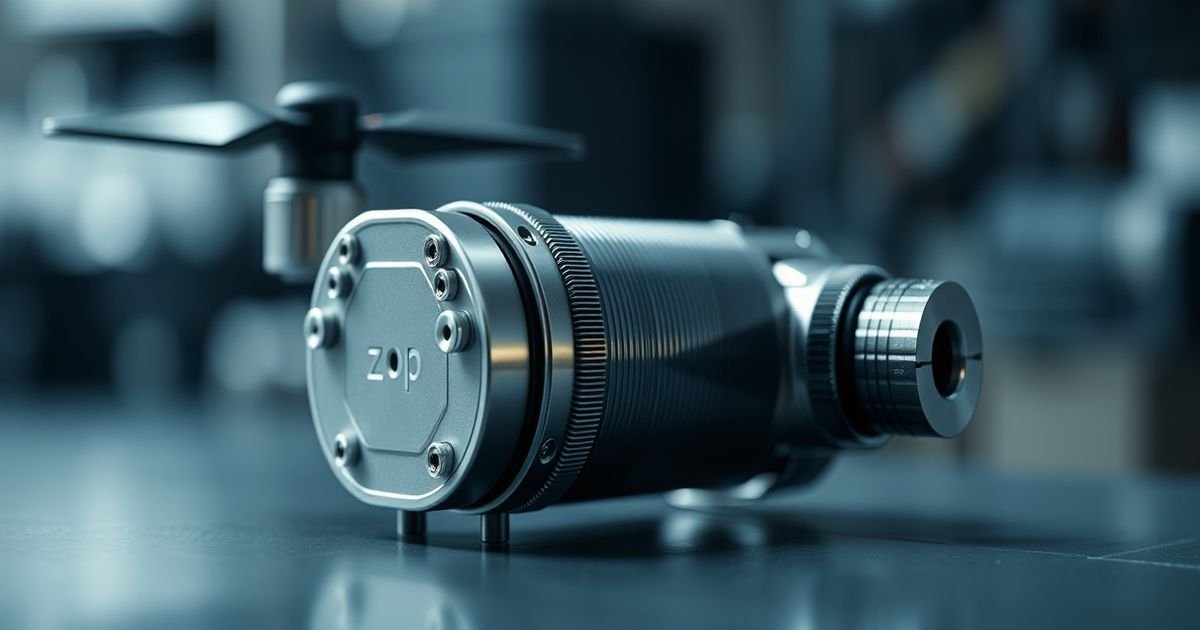

Understanding bd268xz: A Comprehensive Guide to This Industrial-Grade Controller
Introduction to bd268xz
In the rapidly evolving landscape of industrial automation, precise control systems have become the backbone of modern manufacturing and process management. The bd268xz represents a significant advancement in programmable logic controller (PLC) technology, designed to meet the demanding requirements of contemporary industrial environments. This robust controller combines processing power with exceptional reliability, making it a preferred choice for facilities seeking to optimize their operations while maintaining stringent quality standards.
Understanding the capabilities and implementation strategies for bd268xz is essential for engineers, technicians, and decision-makers involved in automation projects. This guide provides an in-depth exploration of the controller’s architecture, practical applications, and integration methodologies that can transform your operational efficiency.
Technical Specifications of bd268xz
The bd268xz operates on a 32-bit RISC processor architecture, delivering processing speeds of up to 1.2 GHz with an impressive 4MB of integrated memory. This processing capability enables the controller to handle complex algorithms while managing multiple simultaneous processes with minimal latency. The system supports up to 256 I/O points, providing flexibility for both small-scale applications and extensive industrial networks.
Key technical parameters include:
- Operating temperature range: -25°C to +70°C, ensuring functionality in harsh industrial conditions
- Power consumption: 12-24V DC input with power consumption of 15W typical
- Communication protocols: Native support for Modbus TCP, EtherNet/IP, and PROFINET
- Programming standards: Compliant with IEC 61131-3, supporting ladder logic, structured text, and function block diagrams
The controller’s modular design allows for extensive customization through optional expansion modules, including analog I/O, high-speed counters, and specialized communication interfaces. This adaptability makes the bd268xz suitable for diverse applications from simple machine control to sophisticated process automation systems.
Key Features and Benefits
The bd268xz distinguishes itself through several innovative features that directly impact operational performance. Its real-time operating system guarantees deterministic response times, critical for applications requiring precise timing and synchronization. The integrated web server capability enables remote monitoring and diagnostics, reducing downtime and maintenance costs significantly.
Operators benefit from the intuitive human-machine interface (HMI) integration, which provides comprehensive visualization options through standard web browsers without requiring additional software installations. The controller’s built-in data logging functionality captures operational parameters at configurable intervals, supporting predictive maintenance strategies and regulatory compliance requirements.
Security represents a paramount concern in modern industrial environments, and the bd268xz addresses this through multiple protection layers. These include user authentication, encrypted communications, and secure boot functionality that prevents unauthorized firmware modifications. The ruggedized enclosure meets IP65 protection standards, ensuring reliable operation in dusty or wet conditions commonly found in manufacturing facilities.
Applications and Use Cases
Manufacturing facilities implementing the bd268xz have reported substantial improvements in production throughput and quality consistency. The controller excels in applications requiring precise motion control, such as packaging machinery, assembly lines, and material handling systems. Its ability to coordinate multiple servo drives simultaneously while maintaining sub-millisecond synchronization makes it ideal for high-speed production environments.
Process industries benefit from the controller’s advanced PID loop control capabilities, managing temperature, pressure, and flow parameters with exceptional accuracy. Water treatment plants utilize the bd268xz for monitoring and controlling complex purification processes, while food and beverage manufacturers appreciate its compliance with hygiene standards and recipe management functionality.
The energy sector has adopted bd268xz for supervisory control and data acquisition (SCADA) applications, particularly in renewable energy installations where it manages power conversion systems and grid integration. Building automation systems leverage the controller for HVAC optimization, lighting control, and energy management, demonstrating the versatility of this industrial controller across different domains.
Implementation Best Practices
Successful deployment of bd268xz requires careful planning and adherence to established methodologies. Begin with a comprehensive site assessment to identify environmental factors, power quality requirements, and communication infrastructure needs. Proper grounding and surge protection measures are critical to ensure long-term reliability and prevent electrical noise interference.
When configuring the bd268xz, follow a modular programming approach that separates functional components into distinct program blocks. This structure simplifies troubleshooting and facilitates future modifications. Implement comprehensive error handling routines that capture system anomalies and trigger appropriate responses, preventing cascading failures.
Documentation serves as a crucial element throughout the implementation process. Maintain detailed records of I/O assignments, communication parameter settings, and program logic flow. This documentation proves invaluable during maintenance activities and system upgrades. Consider partnering with certified bd268xz integrators who possess specialized knowledge of the controller’s advanced features and optimization techniques.
Maintenance and Troubleshooting
Regular maintenance protocols significantly extend the operational lifespan of bd268xz installations. Perform periodic inspections of cooling vents, connection terminals, and indicator status lights. Clean accumulated dust from ventilation openings using compressed air, ensuring static discharge precautions are observed. Verify all communication cable connections remain secure, particularly in environments subject to vibration.
The controller’s diagnostic capabilities provide detailed information about system health and potential issues. Monitor the built-in diagnostic buffer for early warning indicators such as memory allocation errors, communication timeouts, or I/O module faults. When troubleshooting, begin with basic checks including power supply voltage, network connectivity, and grounding integrity before proceeding to more complex analysis.
For persistent issues or firmware updates, consult the manufacturer’s technical support resources. Keep firmware versions current to benefit from performance enhancements and security patches. When replacing components, ensure compatibility with the specific bd268xz hardware revision to avoid configuration conflicts.
Conclusion
The bd268xz industrial controller represents a powerful solution for organizations seeking to enhance their automation capabilities. Its combination of processing performance, environmental resilience, and comprehensive feature set addresses the challenges of modern industrial control systems. By understanding its technical specifications, implementing proper deployment strategies, and maintaining rigorous upkeep protocols, facilities can maximize their return on investment while achieving operational excellence.
For those considering bd268xz for their automation projects, evaluating specific application requirements against the controller’s capabilities ensures optimal system design. As industrial automation continues to advance, the flexibility and scalability of this controller position it as a valuable asset for future-ready operations. To explore additional resources about industrial controllers and automation strategies, visit our comprehensive resource center where you’ll find technical guides and implementation case studies.
When planning your next automation project, consider how the bd268xz can serve as the foundation for your control system architecture. Its proven track record across diverse industries demonstrates the value proposition of investing in quality industrial automation technology. For further reading on industrial control systems, consult the Wikipedia article on programmable logic controllers to understand the broader context of automation technology evolution.